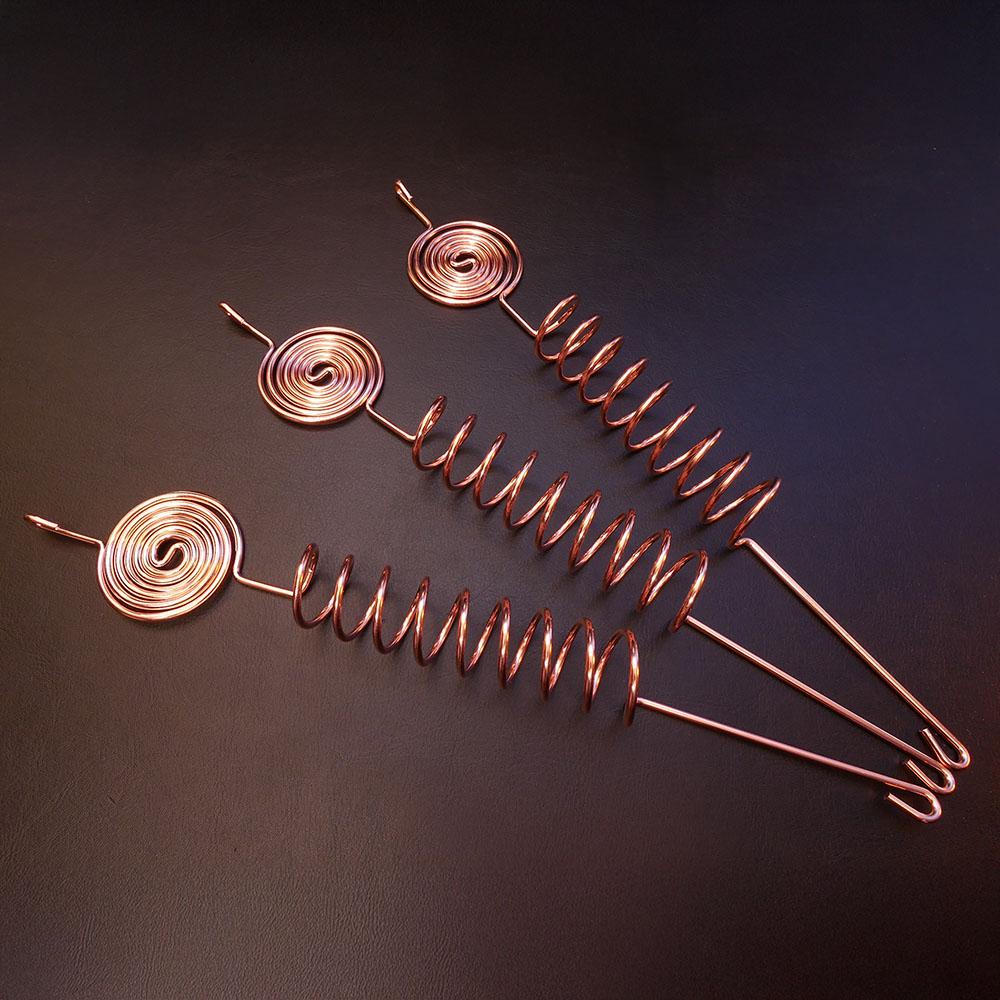
Electroculture, the fascinating practice, indicates that vegetation can benefit when exposed to low-voltage electric fields . Certain electroculture believe that this gentle stimulation enhances mineral absorption , resulting to quicker growth and possibly more production. While mainstream confirmation remains insufficient, dedicated experimenters report impressive gains in their personal patches , encouraging further investigation of this nascent system to horticulture and sustenance creation .
An Introductory Guide to Electroculture Gardening
Wanting to learn a unique gardening system? Electro-culture gardening involves harnessing electrical energies to boost electro culture gardening plant growth . It's sounds complex , but the fundamental principles are surprisingly straightforward to comprehend. Typically, it requires creating some grid of copper wire above your crops, potentially connected to a low-voltage energy source. While scientific proof remains limited, many cultivators experience significant improvements in plant health and productivity . This briefly copyrightine the essentials in later sections.
Does Electroculture Really Function? Differentiating Truth from Myth
Electroculture, a process involving low-voltage power to enhance vegetation growth, ignited widespread buzz online. However, it's vital to closely copyrightine the statements and separate genuine findings from questionable hype. Although several initial experiments suggest to show increased yields, the scientific foundation stays largely unexplained. Numerous claimed successes may be caused by confounding variables, like improved soil, hydration, or straightforward coincidence. Enhanced study and expert confirmation are required to confirm whether electroculture is a reliable farming method .
Creating Your Own Electrical Garden: A Detailed Guide
Embarking on the fascinating world of electroculture can appear daunting, but constructing your homemade electroculture garden is surprisingly doable with a some basic steps. First, collect your materials: a container , copper cabling , zinc material, water, and a electricity – a small battery or DIY cell can work . Then , place the copper and zinc encircling the water within the container, ensuring they don't touch. The bioelectrical field emitted between these metals is considered to encourage plant vitality. Finally, monitor your plants and modify the system as needed – electroculture is as much concerning experimentation as it is dealing with following guidelines.
Electrical Gardening vs. Traditional Horticulture : Which This Difference ?

Many cultivators are investigating bio-electrical farming as an option to standard horticulture . While both aim to nurture thriving plants , they employ drastically contrasting techniques . Traditional horticulture depends on soil minerals , light , and hydration, often with added nutrients . In opposition , electrical gardening harnesses a minimal current to stimulate crop growth , potentially minimizing the dependence on soil and standard nutrients . Ultimately , electroculture embodies a fairly emerging field in farming possessing distinct opportunities.
Boosting Plant Growth with Electroculture: Potential & Practicalities
Electroculture, a fringe method indicating plant growth through electrical currents , has sparked considerable attention amongst gardeners . Initial observations claimed significant improvements in production and general plant vitality . While the precise mechanism is unclear , some theories direct to greater water uptake and nutrient availability within the earth . Practical applications can span from basic DIY setups employing copper and zinc terminals to more sophisticated setups . However, it’s crucial to consider electroculture with consideration, acknowledging the limited peer-reviewed academic evidence and potential hazards associated with improper implementation. Further research is required to completely grasp the chance and restrictions of this intriguing approach to agriculture .
- Potential benefits include increased yield and improved plant health.
- Consider the need for further research and scientific validation.
- Practical applications range from simple DIY systems to complex configurations.